

oval backlit mirror
Replacing a pressure valve on a water heater is a vital maintenance task that can enhance the efficiency and longevity of your appliance. As someone with years of experience in plumbing and home maintenance, I understand the importance of ensuring every component of your water heater functions optimally. The pressure relief valve, often overlooked, plays a critical role in preventing excess pressure buildup, which could lead to serious damage or even explosion. Understanding the Function of the Pressure Valve The pressure relief valve is a safety feature designed to release water and decrease pressure within the tank if it gets too high. It's essential for the protection and operational efficiency of your water heater. Without it, the increasing pressure could cause the tank to burst, leading to costly repairs and dangerous situations. Identifying When Replacement Is Necessary From a professional standpoint, the first step in replacing a pressure valve is recognizing when it's time for a replacement. Signs that your valve may be failing include water leakage around the base of the valve, inability to release pressure, or if the valve doesn't sound like it’s functioning properly during regular checks. Consistent monitoring and maintenance checks of this valve are essential, typically on an annual basis, to ensure your water heater remains in top condition. Expert Steps in Replacing the Pressure Valve Safety is paramount. Begin by turning off the power supply to the water heater, whether it's electric or gas. Then, shut off the cold water supply that leads into the tank to prevent refills during maintenance. Next, relieve the pressure in the tank by opening a hot water faucet in your house and allowing it to run until it is cool. Drain the tank slightly by connecting a garden hose to the drain valve to allow the pressure valve to be removed without spilling water. replacing pressure valve on water heater With a pipe wrench, carefully remove the existing pressure relief valve from the heater . It’s crucial to inspect this valve once removed. If you notice mineral deposits or rust around it, consider flushing your tank to prevent further issues. Installing the new valve involves wrapping the threads with plumber's tape—this ensures a watertight seal. Carefully screw the new valve into place without overtightening, which can damage the threads and lead to leaks. Restoring Power and Checking for Leaks Reopen the water supply to the water heater and allow it to fill completely. Only then should you restore power to the unit, ensuring the water is heated safely. Once the unit is back online, monitor the pressure valve for any signs of leaks, which is a telltale indicator of improper installation or a defective valve. Establishing Trust and Reliability In my professional experience, ensuring every component of your water heater works correctly builds not only an efficient system but also peace of mind. By following these expert steps and understanding the importance of every part of your system, you can prevent costly incidents and extend the life of your water heater. If you encounter difficulties or uncertainties during valve replacement, consulting with a certified plumber is always recommended. Leveraging industry expertise not only confirms DIY efforts but also enhances trust in the safety and efficacy of your home systems. Overall, handling the replacement of a water heater pressure valve with care, precision, and regular maintenance reflects a commitment to home safety standards. It's an investment in your home’s functionality that pays dividends in trustworthiness and authoritative maintenance practices.
about
oval backlit mirror
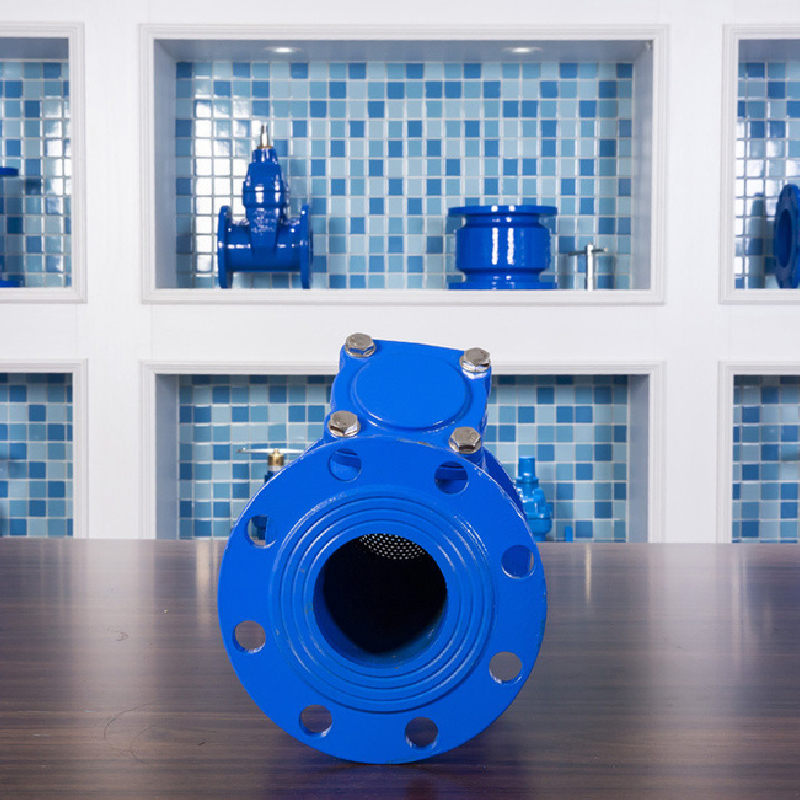
Understanding One-Way Check Valves Functionality and Applications One-way check valves are crucial components in various fluid systems, utilized across numerous industries including water treatment, oil and gas, chemical processing, and HVAC systems. These valves allow fluid to flow in one direction while preventing backflow, thereby ensuring the efficiency and safety of fluid transfer processes. What is a One-Way Check Valve? A one-way check valve is a simple yet effective device that automatically prevents the reverse flow of liquids or gases. The design typically includes a valve body, a disc or ball that acts as the closure mechanism, and a seat against which the disc or ball seals when backflow occurs. This mechanism is key in various applications where maintaining the direction of fluid flow is vital for operational stability and system integrity. How Do One-Way Check Valves Work? The primary operation principle of a one-way check valve is based on fluid pressure. When the upstream pressure (the pressure in the system pushing the fluid towards the valve) exceeds the downstream pressure (the pressure on the opposite side of the valve), the valve opens, allowing fluid to flow through. Conversely, when the downstream pressure exceeds the upstream pressure, the valve closes, preventing any fluid from flowing back into the system. This automatic response ensures that the flow direction is maintained, which is essential for preventing damage to equipment and maintaining system efficiency. Types of One-Way Check Valves There are several types of one-way check valves, each suited for specific applications 1. Ball Check Valve This design features a spherical closure element that moves up and down to allow or block flow. It is used in applications requiring tight sealing and minimal leakage. 2. Swing Check Valve Utilized in larger systems, its armature swings on a hinge to allow fluid flow . This type offers a simple and effective solution for many drainage and sewer systems. one way check valve 3. Lift Check Valve This valve design incorporates a disc that lifts off the seat as fluid passes through. It is commonly used in high-pressure applications. 4. Diaphragm Check Valve This features a flexible diaphragm that opens and closes in response to fluid pressure changes, suitable for gases and corrosive fluids. Applications of One-Way Check Valves One-way check valves are widely used in several applications - Water Supply Systems To prevent backflow, maintaining water quality by ensuring that contaminated water doesn’t enter the clean water supply. - Pumping Stations To prevent reverse flow when pumps are turned off, protecting equipment and maintaining system pressure. - Chemical Processing In processing plants, to ensure that chemicals only flow in one direction, preventing cross-contamination of substances. - HVAC Systems Utilized in heating systems to ensure that heated water flows in the correct direction, optimizing energy efficiency and system performance. Benefits of Using One-Way Check Valves The use of one-way check valves offers numerous benefits - Prevent Backflow They ensure that system integrity is maintained, protecting pumps, compressors, and other equipment from damage due to reverse flow. - Simple Design Their uncomplicated design allows for easy installation and maintenance. - Durability Made from robust materials, they can withstand high pressures and various fluids, contributing to a longer lifespan of the system. - Cost-Effective By preventing backflow and protecting equipment, check valves can reduce maintenance costs and extend the operational lifespan of system components. Conclusion In summary, one-way check valves are essential components in fluid handling systems, providing reliable performance and protection against backflow. With various designs suited for different applications, they are indispensable in maintaining the integrity and efficiency of diverse industrial processes. Understanding the functionality and application of these valves allows engineers and technicians to make informed decisions, ensuring reliable and safe operation across various fluid systems. As industries continue to evolve, the role of one-way check valves remains significant in promoting efficiency and safety in fluid management.
-

High quality industrial productsagement

High quality industrial products
View Details -

Meet the diverse needs of customers

Meet the diverse needs of customers
View Details -

Strict quality control

Strict quality control
View Details -

Top raw materials

Top raw materials
View Details -

Trusted supplier

Trusted supplier
View Details
Our application

news and information
What Is the Difference Between a Silent Check Valve and a Regular Check Valve_
In the realm of fluid dynamics, valves play a crucial role in controlling the flow of liquids and ga
Water Flow Control Valve for Efficient Shut-off Solutions
Understanding Water Shut-off Valves A Guide Water shut-off valves are an essential component in plum

Using a Level Ruler for Accurate Measurements and Alignment in DIY Projects
The Importance of a Spirit Level Ruler in Construction and DIY Projects A spirit level ruler is an i
 English